Dr. Tempestt Adams on Leadership, Learning and the Power of Sending the Elevator Back Down
Written by:
Appalachian State University
Published on
Published on
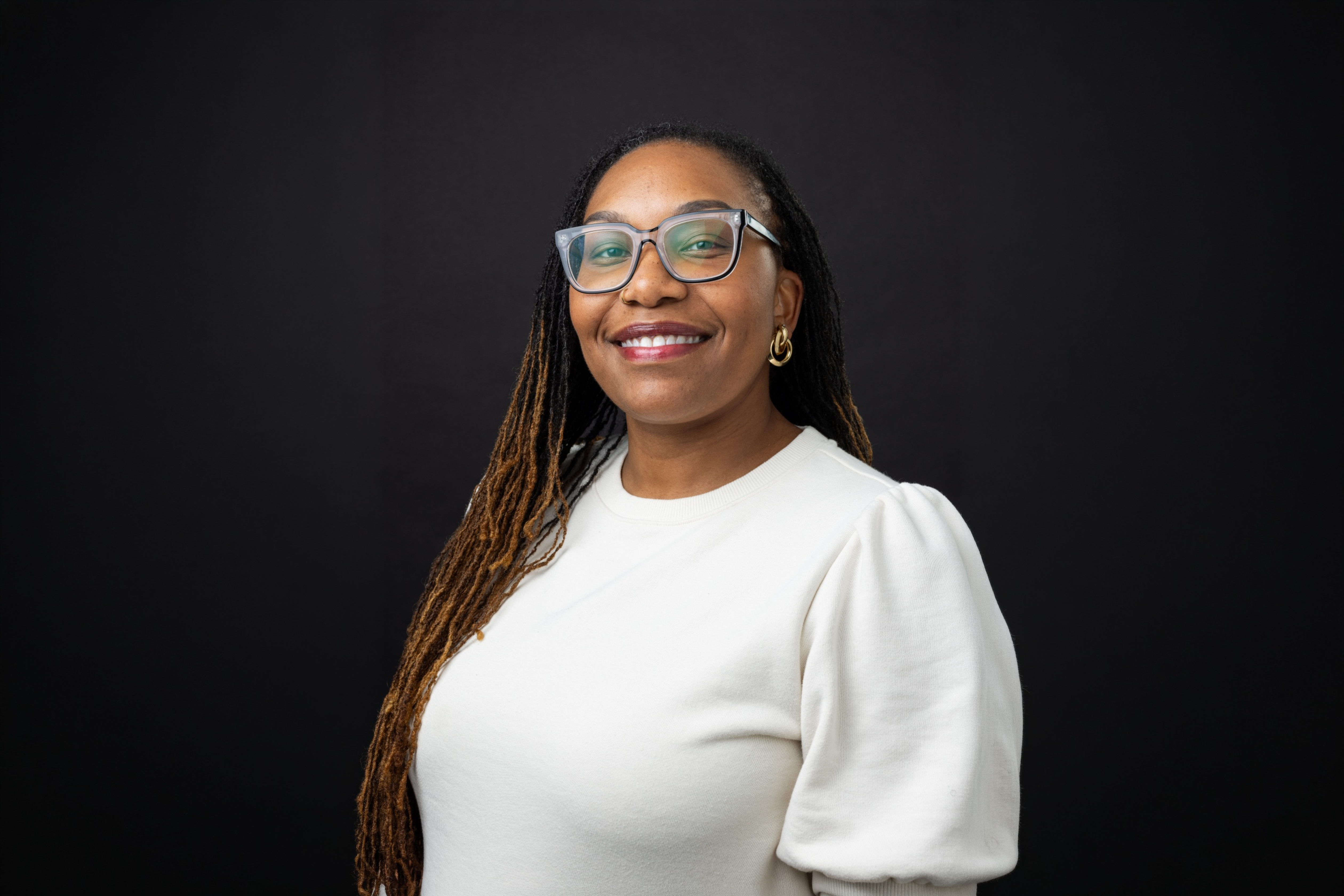
For Dr. Tempestt Adams, associate professor of career and technical education at Appalachian State University, teaching is both a profession and a way to give back.
“My personal and professional journey has been shaped by the impact of great teachers,” Dr. Adams says. “I was fortunate to learn from educators who made a lasting difference, even in environments with limited resources.”
That early experience guides how Dr. Adams approaches teaching, mentoring and leadership development. A quote she’s carried with her over the years captures the spirit of her work: “Once you take the elevator up, be sure to send it back down.” For Dr. Adams, teaching is one way to do exactly that.
“I believe in the power of good teaching to open doors, build confidence and create opportunity,” she says. “I strive to be intentional, supportive and impactful in the same way my teachers were for me.”
That commitment aligns closely with App State Online’s Bachelor of Science in Organizational Leadership and Learning, a flexible, transfer-friendly program designed for adult learners who want to complete their undergraduate degree and strengthen practical leadership skills they can apply across industries.
Teaching That Opens Doors
Dr. Adams’ teaching philosophy centers on the idea that learning should connect to students’ lived experiences. Teaching isn’t simply delivering information, but creating learning environments where students can reflect, see themselves as capable contributors and apply their knowledge.
“Excellent pedagogy means creating meaningful, learner-centered experiences grounded in trust, reflection and real-world relevance,” Dr. Adams says. “It’s about designing learning that is both rigorous and accessible, and responsive to the needs and experiences of students.”
That approach is especially important in a program like Organizational Leadership and Learning, where students often bring work experience, family responsibilities and professional goals into the classroom. Many students are returning to school to finish a degree, advance in their careers or step into new leadership opportunities — experiences Dr. Adams sees as assets.
Through reflection activities, real-world scenarios and collaborative discussions, Dr. Adams wants students to recognize that leadership isn’t abstract. It’s something they can develop and apply in the settings where they already live and work.
Creativity as a Leadership Tool
Dr. Adams’ research includes arts-based pedagogy, an area she discovered somewhat unexpectedly. After being invited into a research group exploring arts-based approaches, she saw how creativity could transform learning and was hooked.
In both education and organizational leadership, Dr. Adams believes creative approaches can help people see problems differently, communicate more effectively and develop new ways of thinking.
“I quickly realized that creativity isn’t just an add-on to learning; it can be a powerful way to deepen understanding, reflection and connection,” she says.
That perspective matters in today’s organizations, where leaders often guide teams through ambiguity, change and complex interpersonal dynamics. Arts-based and creative approaches can help learners move beyond memorization to apply concepts in meaningful ways.
“Creative approaches can surface new perspectives, strengthen communication and support innovation,” Dr. Adams says.
Rethinking What Leadership Means
Dr. Adams encourages students to think about leadership differently — not as a title or position, but as a set of skills and choices that develop over time.
Influence, Not Position
One of the most important messages Dr. Adams conveys to prospective students is that leadership isn’t limited to those with formal authority. Many people assume leadership begins with a job title.
“In reality,” Dr. Adams says, “leadership is about influence, not position.”
That perspective can be empowering for students who may not yet see themselves as leaders.
Growing Into Leadership
Leadership can develop through practice, reflection and experience.
“When students begin to see leadership as something they can grow into, it opens up entirely new possibilities for how they show up for themselves, in their work and in their communities,” she says.
That broader view of leadership is central to organizational leadership and learning. Students are not only preparing to manage organizations but also learning how people grow, adapt, communicate and thrive within them.
Leadership in Everyday Actions
One common leadership challenge is self-doubt. Dr. Adams notes that many students question whether they’re qualified to lead or they struggle to balance authority with approachability. She emphasizes that leadership isn’t about having all the answers.
“Leadership is about asking better questions, listening well and making thoughtful decisions,” she says.
For students who are still developing confidence, Dr. Adams offers simple advice: Begin where you are.
“Leadership doesn’t begin when you get a title; it begins in how you show up every day,” she says. “You don’t have to feel like a leader to begin acting like one. Over time, those actions shape your identity, and you eventually realize you didn’t become a leader overnight. You grew into one through consistent, intentional choices.”
Organizational Leadership and Leading Through Change
For today’s students and working adults, organizational leadership is especially relevant given the rapid pace of change in the world of work. Technical knowledge still matters, but Dr. Adams emphasizes that it’s no longer enough on its own.
“People need the ability to communicate effectively, adapt, build relationships, lead through uncertainty and collaborate with diverse teams,” she says.
Organizational leadership gives students a framework for understanding how organizations function and how people interact within them. It also helps them build the confidence to navigate complexity with intention.
“This area of study isn’t just about career advancement; it’s about becoming more thoughtful, effective contributors in any environment,” Dr. Adams says. “These skills transfer across roles, industries and stages of life.”
Practical Skills Students Can Use Right Away
Dr. Adams is enthusiastic about the design of App State Online’s Organizational Leadership and Learning program because it balances flexibility with academic rigor. Built for a wide range of learners, the program connects coursework directly to professional settings.
“I’m especially excited about the program’s intentional design,” Dr. Adams says. “Its flexibility expands access for a wide range of learners, while the course design ensures alignment with real-world industry standards.”
The curriculum includes coursework in leadership and management foundations, communication and teamwork, project management, professional learning and development, data analysis, digital literacy, and technology in leadership. Dr. Adams says the value of these skills is that students can apply them immediately.
She adds: “Students learn how to think strategically while also understanding the people side of organizations, including how to motivate teams, support learning and navigate complex workplace dynamics.”
Those abilities matter in nearly every professional setting. Whether in business, education, health care, public service or the nonprofit sector, “students can apply what they’re learning in real time within their current roles.”
A Degree for People Who Want to Lead With Impact
For Dr. Adams, the value of App State Online’s Bachelor of Science in Organizational Leadership and Learning is that it prepares students to understand both organizations and the people who make them work.
“This program goes beyond traditional leadership degrees,” she says. “It not only develops your ability to lead organizations effectively but also focuses on how people learn, grow and adapt within them.”
That people-centered perspective is at the heart of organizational success. Strategies and systems matter, but organizations ultimately depend on individuals and teams who can communicate, learn, adapt and collaborate effectively.
“We prepare you to develop talent, lead change and create environments where individuals and teams can thrive,” Dr. Adams says.
For students looking to complete their bachelor’s degree, strengthen their leadership skills and apply what they learn directly to their careers, App State Online offers a flexible pathway designed for working adults. Dr. Adams understands that many students are balancing school with work, family and other responsibilities, and she approaches teaching with empathy and flexibility.
“I’m most motivated by supporting their goals and helping them move forward with confidence and purpose,” she says.
Learn more about App State Online’s organizational leadership program and how it can help you grow into a confident, people-centered leader.
Recommended Readings
10 Essential Organizational Leadership Skills (With Examples)
Active Learning and Tech Transformation: Wisdom From Dr. Krista Wojdak
Dr. Kevin Sutton on Real-World Learning for Working Professionals